
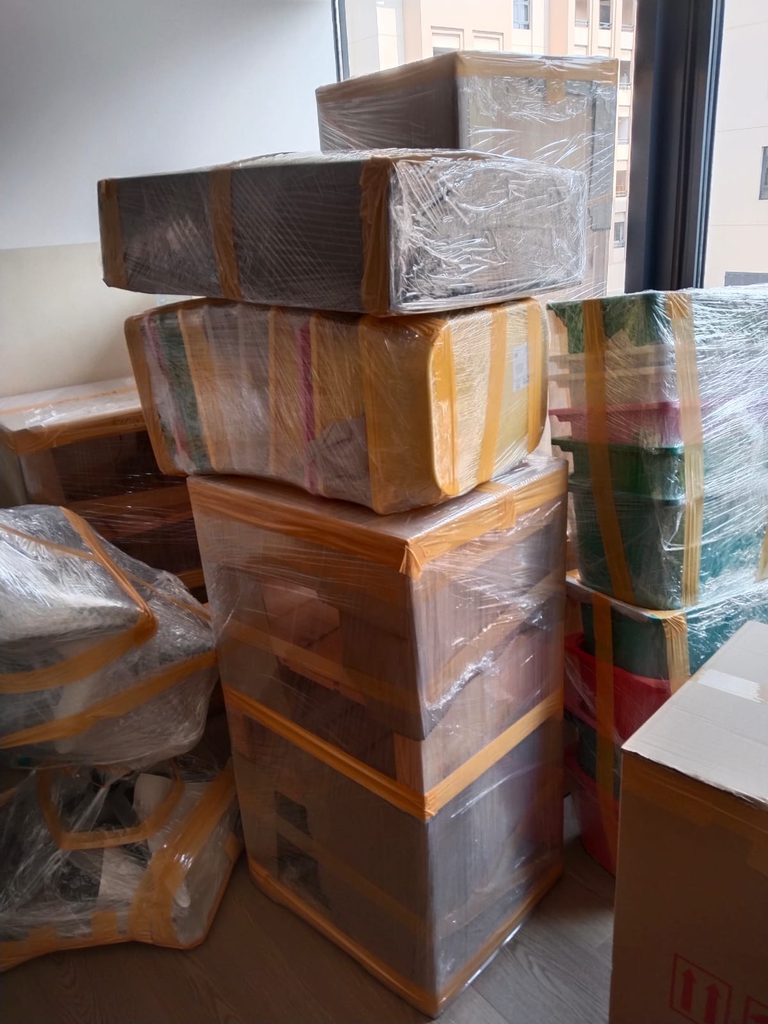
Preparing your belongings before moving day helps you organise your household items, protect fragile possessions, and reduce last-minute stress. Start by sorting unnecessary items, packing room by room, labelling boxes, and keeping important documents and daily essentials separate. You should also prepare furniture and appliances, check property access, and confirm packing arrangements with your moving company.
If you are planning a home move in Mirdif, Dubai, a structured preparation plan can help you manage each task efficiently. The following guide explains what to prepare, how to pack different belongings, and what to check before the movers arrive.
Why Should You Prepare Your Belongings Before Moving Day?
Preparing your belongings in advance makes it easier to manage packing, identify items that need special care, and organise your new home. Leaving everything until moving day can create confusion, especially when you have fragile items, large furniture, or several rooms to pack.
Early preparation offers several practical benefits:
- Better organisation: Sorting and labelling belongings makes it easier to locate items after delivery.
- Improved protection: Proper wrapping and cushioning help reduce the risk of damage during handling and transportation.
- Less last-minute pressure: Completing small tasks in advance leaves more time for unexpected issues.
- Clearer communication: You can tell your movers which items need special handling and which belongings you will transport yourself.
- Easier unpacking: Grouping boxes by room helps you prioritise the items you need first.
The amount of preparation required depends on your home size, the number of belongings, and whether you have booked a packing service.
How Should You Sort and Declutter Your Belongings Before Moving?
Before purchasing packing materials, decide which belongings you actually want to take to your new property. Moving unwanted items adds to the packing workload and makes it harder to organise your boxes.
Separate your belongings into four groups:
- Items to keep: Clothes, furniture, kitchenware, electronics, and other possessions you still use.
- Items to donate: Usable belongings that you no longer need.
- Items to discard: Broken, damaged, or unusable possessions that are not worth transporting.
- Items to keep separately: Important documents, jewellery, medicines, keys, and daily essentials.
Start with storage cupboards, spare rooms, wardrobes, and kitchen cabinets. These areas often contain items that have not been used for months.
Once you have sorted your belongings, estimate how many boxes you need and identify any large or unusually shaped objects that may require special packaging.
Practical tip: Complete decluttering before packing. This prevents you from spending time wrapping items that you do not intend to keep.
What Packing Materials Do You Need to Prepare Your Belongings?
Choosing suitable packing materials helps protect household items and keeps boxes organised during transportation. The materials you need will depend on the type, size, weight, and fragility of your belongings.
Common packing supplies include:
- Strong cardboard boxes in suitable sizes.
- Packing paper for crockery, glassware, and small decorations.
- Bubble wrap or other protective cushioning for delicate objects.
- Packing tape to secure boxes.
- Labels or permanent markers to identify contents and destination rooms.
- Furniture covers or protective blankets for larger items.
- Sealable bags for screws, cables, and small accessories.
Use smaller boxes for heavy belongings, such as books, and larger boxes for lighter items, such as bedding and cushions. Avoid overfilling cartons because they can become difficult to lift or may not close securely.
If you have arranged professional packing assistance, confirm which materials the company will provide and whether any supplies are charged separately.
How Should You Pack Your Belongings Room by Room?
Packing room by room helps you keep similar belongings together and makes unloading more organised. Finish one area before moving on to the next, and label each box according to its contents and destination.
How to Pack Bedroom Belongings and Clothes
Fold clothes and place them in suitable bags, cartons, or wardrobe boxes where available. Pack shoes separately from clean clothing, and protect delicate garments from dirt and pressure.
Place bedding, towels, and other soft furnishings in clean bags or boxes. Keep frequently used clothes accessible so you do not need to unpack several cartons immediately after arrival.
Remove jewellery, watches, and important personal items before packing your wardrobe.
How to Pack Kitchen Items Safely
Kitchen belongings often include breakable dishes, glassware, cookware, utensils, and small appliances.
Wrap plates, cups, and glasses individually. Use cushioning between breakable items and fill empty spaces to prevent movement inside the box. Place heavier kitchenware at the bottom and lighter items above it.
Empty food containers and ensure they are clean and dry. Seal liquids carefully and confirm whether your moving company accepts them.
Avoid mixing heavy cookware with delicate crockery in the same box unless the contents are properly separated and supported.
How to Pack Living Room Decorations and Accessories
Remove small objects from shelves, cabinets, and side tables before furniture is moved. Wrap ornaments, framed photographs, and decorative accessories individually.
Place remote controls, detachable fittings, and small accessories in labelled bags. If these items belong to a particular appliance or piece of furniture, label the bags accordingly.
For large decorative pieces, mirrors, and framed artwork, use protective packaging suited to their size and fragility.
How to Pack Bathroom and Personal-Care Items
Separate everyday toiletries from items you can pack in advance. Close container lids securely and use leak-resistant bags where appropriate.
Keep essential medicines and personal-care products in a separate bag. Check the moving company’s restrictions before packing aerosols, chemicals, cleaning products, or other potentially hazardous substances.
Keep the items you need on the first night in your new home easy to access.
How Can You Protect Fragile Items During a Move?
Fragile items need individual protection because they can break when they collide with other belongings or move around inside a carton.
Follow these steps when packing delicate possessions:
- Wrap each item separately with suitable packing paper or protective material.
- Choose a strong box that fits the items without forcing them inside.
- Place heavier items at the bottom and lighter items above them.
- Fill empty spaces with cushioning so the contents cannot shift freely.
- Secure the box with packing tape and label it clearly.
- Keep fragile cartons separate from heavy boxes that could crush them.
For glassware and crockery, use dividers or additional cushioning when appropriate. Mirrors, glass tabletops, and framed artwork may require specialist protective materials.
If you are packing televisions, computers, or other electronics, protect them against impact and follow the manufacturer’s guidance for transportation. Keep cables and accessories labelled and stored separately from general household items.
For valuable possessions, photograph their condition before packing and ask your moving company about handling procedures and any applicable coverage.
How Should You Prepare Furniture Before Movers Arrive?
Furniture preparation helps make handling and transportation more organised. Large wardrobes, beds, dining tables, and sofas may require different preparation depending on their construction and the access available at each property.
Before moving day:
- Empty drawers and cupboards unless your movers have confirmed that certain items may remain inside.
- Remove loose cushions, detachable shelves, and other removable components.
- Keep screws, bolts, and fittings in labelled bags.
- Protect delicate finishes, corners, and polished surfaces with suitable covers.
- Measure large furniture if you are concerned about narrow entrances, staircases, or doorways.
- Identify items that may need dismantling or specialist handling.
Do not dismantle complex furniture unless you have the necessary skills and tools. Confirm whether dismantling and reassembly are included in your moving quotation.
For upholstered furniture, use suitable protective covers to help keep the fabric clean during handling. Make sure furniture is ready for transport without creating unnecessary lifting or handling risks.
How Should You Prepare Electrical Appliances Before Relocation?
Electrical appliances require preparation that depends on their type and the manufacturer’s instructions. Preparing them properly helps protect removable components and makes reconnection easier at your new home.
Refrigerator and freezer
Remove food and follow the manufacturer’s instructions for defrosting, cleaning, drying, and transportation. Secure or remove loose shelves and drawers as recommended.
Washing machine
Follow the manufacturer’s instructions for disconnecting, draining, and securing the appliance. Arrange qualified assistance if plumbing connections or other technical work require it.
Television and computer equipment
Disconnect cables carefully, label them, and store accessories together. Use suitable protective packaging to help prevent impact damage.
Other household appliances
Clean and dry appliances where appropriate, remove loose accessories, and secure moving parts according to the manufacturer’s guidance.
Do not attempt electrical, plumbing, or gas disconnections if you are not qualified to do so. Confirm with your movers which appliances they can handle and which preparation tasks you must complete beforehand.
Which Items Should You Keep Separate From the Moving Boxes?
Some belongings are better kept with you instead of being packed with general household items. This makes them easier to access and reduces the risk of losing track of important possessions.
Prepare a personal essentials bag containing items such as:
- Passports, identification, and important documents.
- House keys, access cards, and essential contact details.
- Medicines and basic personal-care products.
- Phone chargers and necessary electronic accessories.
- A change of clothes and basic toiletries.
- Water and simple snacks.
- Essential items for children or pets, if applicable.
Keep cash, jewellery, and other valuable personal possessions under your own control. Do not place important documents in cartons that may remain unopened until later.
If you work from home, keep your laptop and essential work equipment separate so you can access them without unpacking multiple boxes.
What Should You Check at Your Mirdif Property Before Moving Day?
Packing your belongings is only one part of relocation preparation. You should also check the access arrangements at your current and new properties.
9.1 Confirm Parking and Loading Access
Check where the moving vehicle can park and whether the loading area is suitable for the items being transported. If your property has restricted access, a narrow entrance, or limited parking, inform your movers in advance.
9.2 Check Building or Community Requirements
If you live in an apartment building or a managed residential community, ask the relevant management team whether you need advance permission, a moving appointment, or any specific documentation.
Requirements may vary between properties, so verify the rules directly rather than assuming the same arrangements apply throughout Mirdif.
9.3 Clear Entrances and Walkways
Remove loose belongings from hallways, entrances, and other areas used to carry boxes and furniture. Keep the moving route as clear as possible to make handling more straightforward.
9.4 Identify Items That Need Special Handling
Tell your movers about large furniture, delicate artwork, heavy objects, and items that may not fit through standard doorways. Early communication helps the team understand the work involved and prepare suitable equipment where necessary.
If you need assistance with packing, furniture handling, and transportation, review the services offered by movers in Mirdif Dubai and confirm exactly which tasks are included in your booking.
What Should You Confirm With Your Movers Before Moving Day?
Confirming the moving arrangements in advance helps prevent misunderstandings and makes it easier to organise your preparation schedule.
Moving date and arrival time
Confirm the scheduled date, expected arrival window, collection address, and destination address.
Packing responsibilities
Clarify which belongings you will pack yourself and which items the team will pack, if packing assistance is included.
Packing materials and special handling
Ask whether boxes, protective covers, bubble wrap, and other materials are included. Discuss fragile items, artwork, large mirrors, and other possessions that need special attention.
Furniture dismantling and reassembly
Check whether the quotation includes dismantling and reassembling beds, wardrobes, tables, or other furniture.
Pricing and additional charges
Review the quotation and clarify what it covers. Ask whether additional charges may apply for extra items, special handling, changes in the inventory, or other requirements.
Building access and delivery arrangements
Confirm parking, access restrictions, relevant building requirements, and any arrangements needed at the destination.
Keep the agreed details in writing. Do not assume that every moving company offers identical services or that all packing and dismantling tasks are automatically included.
What Is the Best Timeline for Preparing Your Belongings?
A simple preparation timeline helps you complete important tasks without rushing on moving day. Adjust the schedule to suit the size of your home and the arrangements agreed with your movers.
One to two weeks before moving
- Sort belongings and remove unwanted items.
- Identify furniture and appliances that need special preparation.
- Collect packing materials if you are packing yourself.
- Confirm your moving date and discuss service requirements.
- Check property access and any applicable building arrangements.
Three to five days before moving
- Pack seasonal clothes, books, decorations, and other non-essential belongings.
- Prepare items that need extra protection.
- Label boxes and keep small fittings in clearly marked bags.
- Confirm furniture dismantling and appliance preparation requirements.
One day before moving
- Pack most remaining non-essential items.
- Prepare your essentials bag.
- Confirm arrival arrangements and contact details.
- Keep frequently used belongings accessible.
- Clear the main routes through the property.
On moving day
- Keep documents, valuables, and daily essentials with you.
- Make sure packed boxes are labelled and ready.
- Explain any special handling instructions to the moving team.
- Check cupboards, drawers, and storage spaces before leaving.
This timeline is a general guide rather than a fixed requirement. Follow any additional instructions provided by your moving company for your specific relocation.
Moving Day Checklist: What Should Be Ready Before Movers Arrive?
Use this checklist to review your preparation before the moving team arrives.
Sort and separate unwanted belongings.
Pack items according to room and destination.
Label boxes clearly with their contents.
Protect fragile items with suitable cushioning.
Prepare furniture according to the agreed arrangements.
Prepare appliances according to manufacturer instructions.
Keep documents, medicines, valuables, and keys with you.
Confirm parking and property access.
Keep entrances and walkways clear.
Confirm the moving team’s arrival time.
Keep contact details and your phone accessible.
Check cupboards, drawers, balconies, and storage areas before departure.
Review the checklist once before the movers arrive and again before leaving your old property. This final check can help you identify belongings that may otherwise be overlooked.
Frequently Asked Questions
How early should I start packing before moving?
Start sorting and decluttering as early as practical, ideally one or two weeks before a typical household move if your schedule allows. Pack items you rarely use first, then leave everyday essentials until closer to moving day.
Should I pack everything myself before movers arrive?
Not necessarily. It depends on the service you book. You may pack your own belongings or arrange professional packing assistance. Confirm your responsibilities with the moving company before the scheduled date.
How can I prevent fragile items from breaking during relocation?
Wrap delicate items individually, use sturdy boxes and appropriate cushioning, fill empty spaces, and label the cartons clearly. Large glass items and valuable decorations may require specialised packaging.
What should I keep with me instead of packing in the moving truck?
Keep important documents, jewellery, cash, medicines, keys, and daily essentials under your own control. You may also want to carry your phone charger, a change of clothes, and items needed immediately after arrival.
Do I need permission to move within Mirdif, Dubai?
Requirements depend on your property and its management rules. Check whether advance permission, a moving appointment, or documentation is required, especially if you live in a managed building or community.
What should I confirm with movers before booking?
Confirm the moving date, packing responsibilities, materials, furniture dismantling, special handling, transportation arrangements, and quotation terms. Ask about additional charges and any items the company cannot transport.
Conclusion
Preparing your belongings before moving day helps you organise household items, protect fragile possessions, and reduce last-minute confusion. Start by decluttering, pack room by room, label boxes clearly, and keep important documents and daily essentials separate. Prepare furniture and appliances according to the relevant instructions, and confirm property access and moving arrangements in advance.
If you are planning a relocation in Mirdif, use the checklist and timeline in this guide to prepare each room systematically. Clear communication with your movers and a well-organised packing plan can help make the transition to your new home more manageable.